


VLOG: How CAST Makes the FREETOUR 2.0
Machined to Descend: Inside the CAST Freetour 2.0 Manufacturing Process
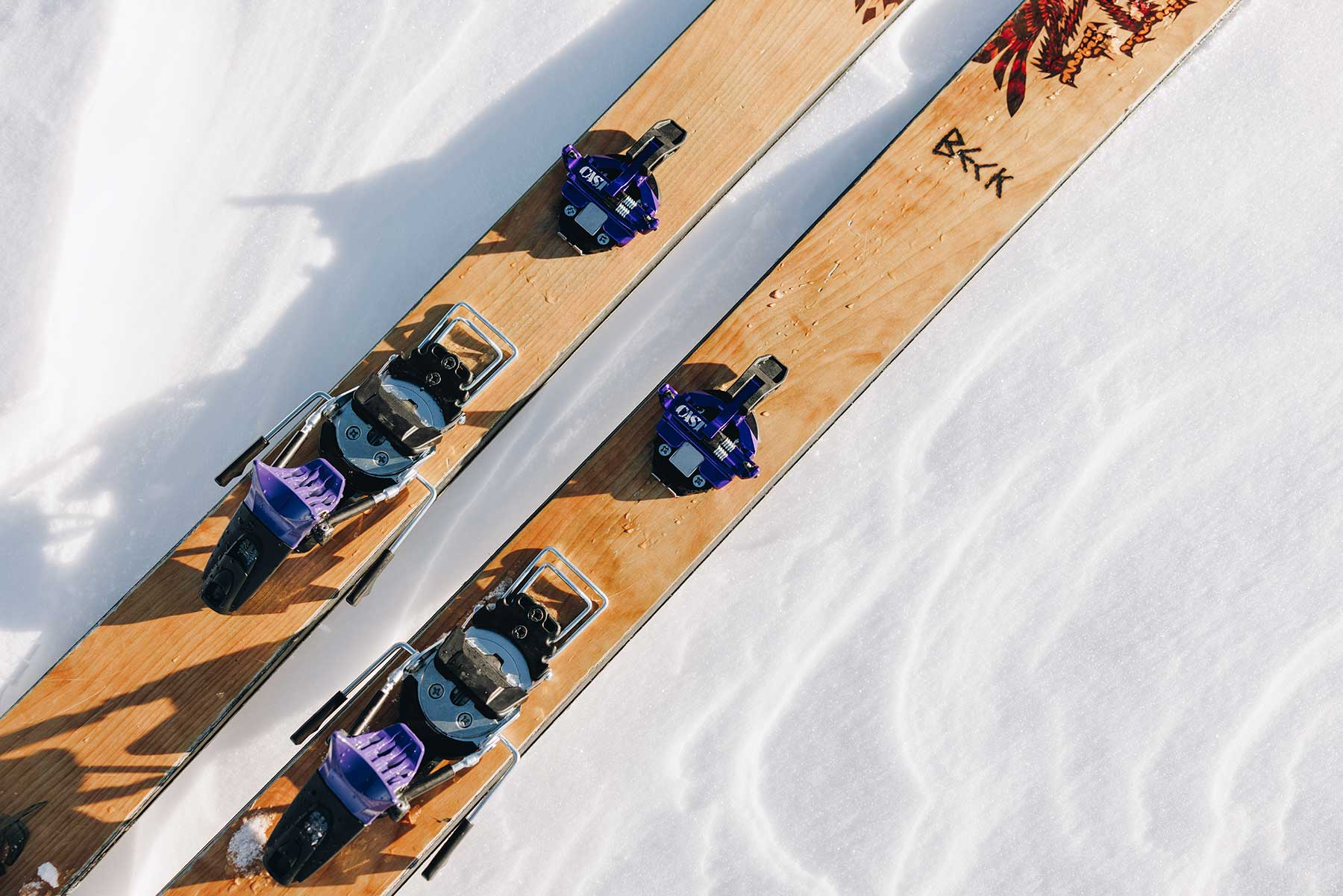
At CAST, we refuse to compromise safety and performance in our ski touring systems. We built the FREETOUR System because we were tired of choosing between uphill efficiency and downhill safety. We wanted a binding that could handle high-consequence lines as well as low-angle backcountry zones all with the same precision and reliability of a true alpine binding.
We’re pulling back the curtain on our manufacturing process to show you exactly what goes into the system that created the hybrid alpine touring binding category.
The Metal Behind the Movement
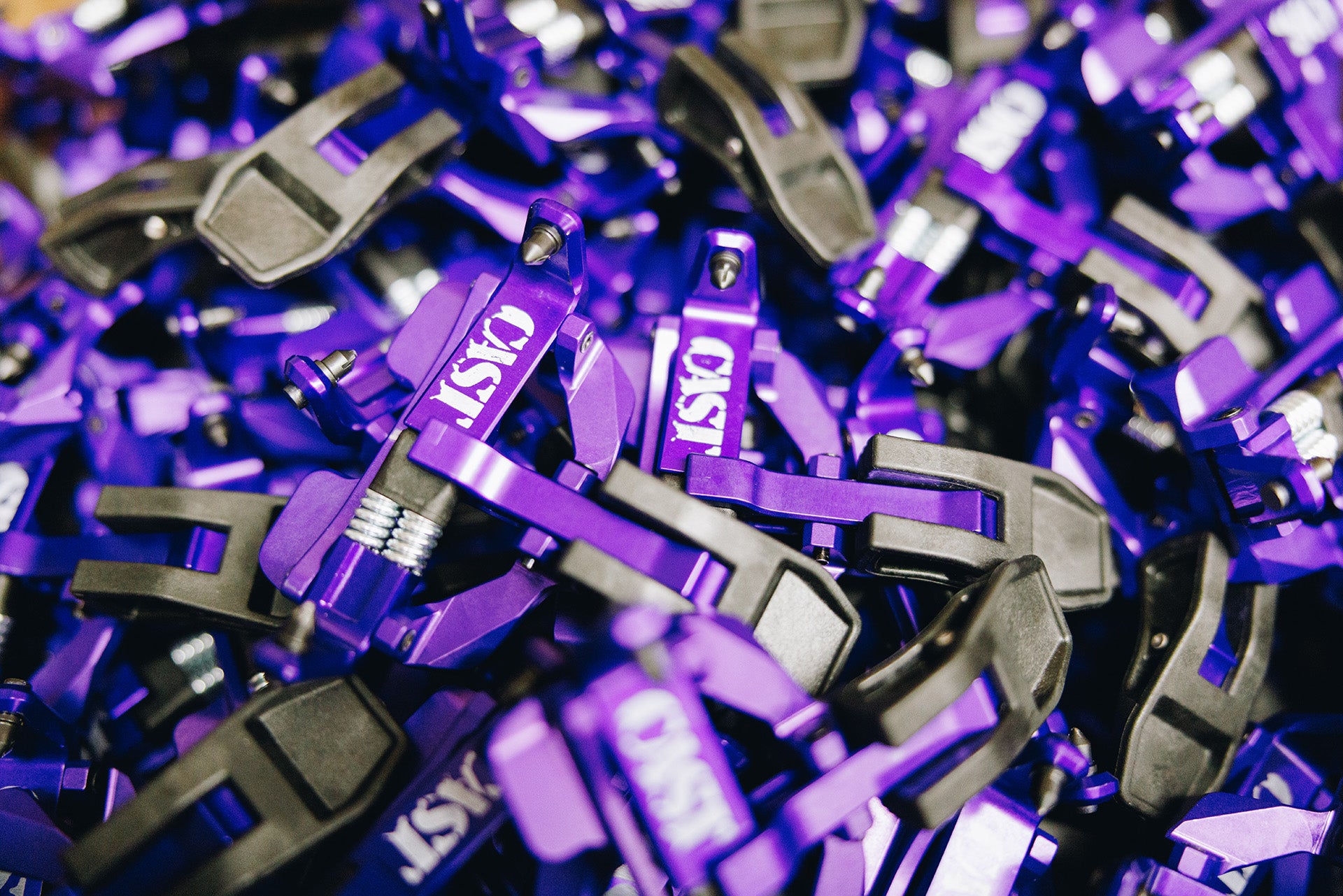
While much of the industry moved toward plastic and pins, we stayed focused on steel and CNC-machined aluminum. This "How It's Made" look at our Driggs, ID shop shows the technical reality of our hardware:
-
Precision Machining: A look at the CNC process that creates the FREETOUR pedestal and tech toes from solid blocks of aluminum.
-
The Pivot Conversion: How we modify the most trusted alpine binding on the market to give you a true, DIN-certified downhill experience.
-
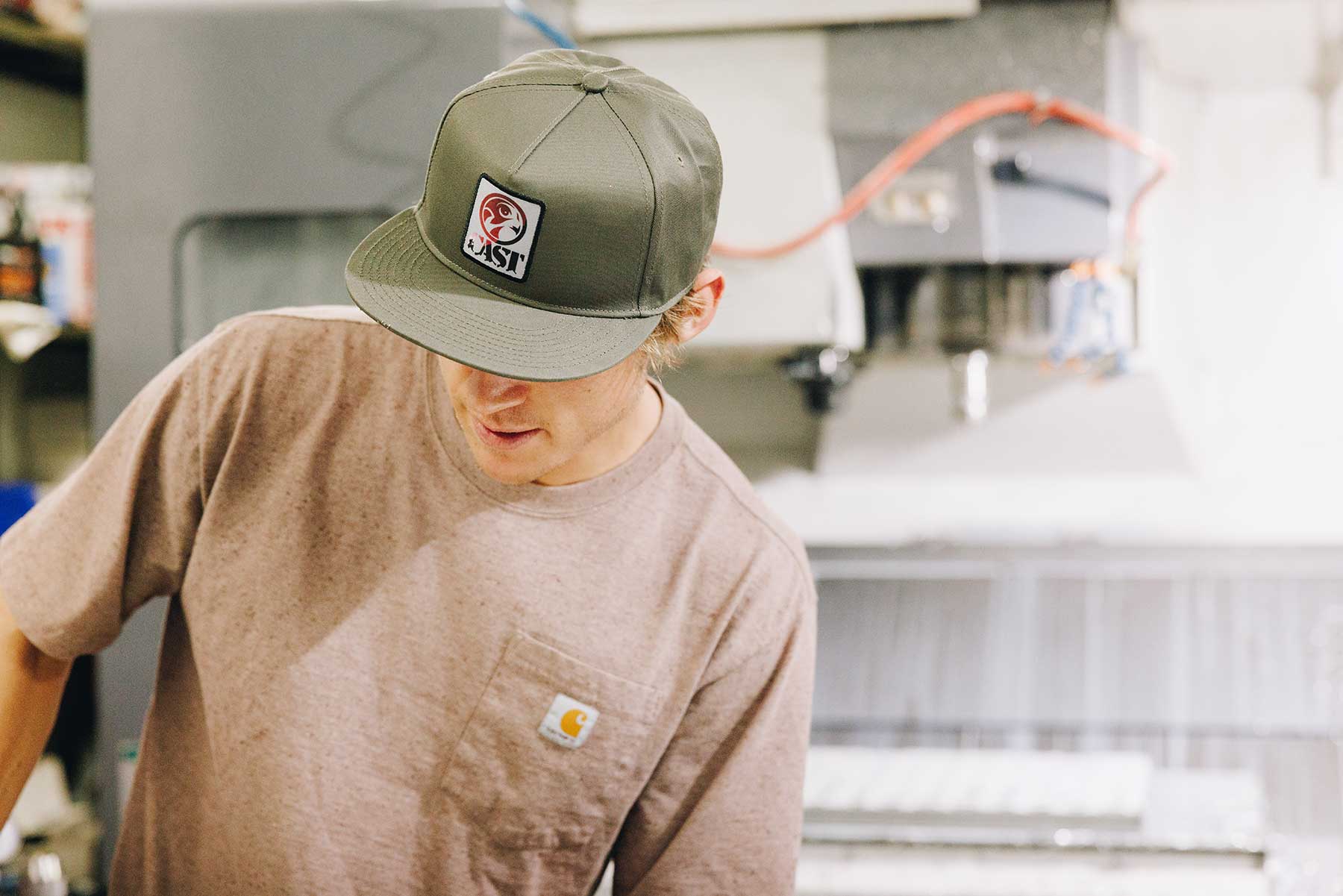
Built by Skiers: Every kit is assembled and inspected by the same team that’s testing these systems in the backcountry the next morning.
Watch the full "How It’s Made" video below:
How It's Made: The CAST FREETOUR 2.0
Why It Matters
When you’re at the top of a line, you shouldn't be thinking about your gear’s failure points. You should be thinking about the descent. By controlling the manufacturing process from start to finish, we ensure that the only thing you’re focused on is the turn.
This is the baseline for hard-charging backcountry travel. No compromise—just the most reliable touring system ever built.